

Taking Your Dog to the Beach: Dog Training Tips Every Owner Should Know
A trip to the beach can be one of the best ways to spend time with your dog. The open space, fresh air, and chance to explore new sights and smells make it an exciting adventure for both of you.
But the beach can also be one of the most distracting places for a dog, which is where dog training becomes especially important. People, children, other dogs, birds, waves, food, and unfamiliar scents can quickly grab their attention. Even a dog that behaves well on neighborhood walks may become overly excited or have trouble listening once they reach the beach.
Preparing your dog with the right training before heading to the beach can make the experience safer, more enjoyable, and less stressful for everyone.
Start With Reliable Basic Obedience
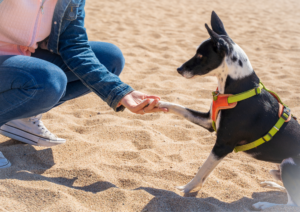
Before visiting the beach, your dog should have a solid understanding of basic commands.
Skills like sit, down, stay, and walking politely on a leash make it much easier to manage your dog in a busy environment. These commands help you keep your dog’s attention when distractions appear and allow you to handle unexpected situations calmly.
If your dog is still learning, practice these behaviors in quieter places before moving to a more challenging location like the beach.
Practice Recall Before Going Off Leash
One of the biggest mistakes owners make is assuming their dog will come back simply because they do well at home.
The beach offers countless distractions that compete for your dog’s attention. Birds, other dogs, running children, and the waves can all make recall much more difficult.
Before allowing any off-leash freedom where it’s permitted, make sure your dog has practiced coming when called in different environments with increasing levels of distraction.
Even then, always follow local leash laws and only allow off-leash time in designated areas where it is safe and legal.

Reinforce Leash Manners
Not every beach allows dogs to be off leash, and even at dog-friendly beaches, there are times when keeping your dog close is the safest option.
A dog that constantly pulls toward people, wildlife, or other dogs can quickly turn a relaxing outing into a stressful one.
Practicing loose-leash walking before your trip helps your dog stay under control while allowing both of you to enjoy the walk along the shoreline.

Teach Your Dog to Stay Focused Around Distractions
The beach is filled with things that naturally grab a dog’s attention.
Instead of expecting your dog to ignore everything, reward them whenever they choose to check back in with you. Offer a quick game of tug, a short game of fetch if appropriate, or a small food reward. Over time, your dog learns that paying attention to you is more rewarding than becoming completely focused on the environment around them.
These small moments of engagement help strengthen your communication and make it easier to guide your dog throughout your visit.

Respect Other Beach Visitors
Not everyone at the beach is comfortable around dogs, and not every dog wants to interact with others.
Teach your dog to remain calm when passing people, avoid rushing up to strangers, and greet other dogs only when it’s appropriate and both owners are comfortable.
Good manners help create a positive experience for everyone sharing the beach.
Know When Your Dog Needs a Break
The excitement of the beach can be physically and mentally tiring.
Watch for signs that your dog needs a rest, such as heavy panting, slowing down, losing focus, or seeking shade. Offer fresh water regularly and take breaks throughout your visit instead of expecting your dog to stay active the entire time.
It’s also important to prevent your dog from drinking salt water. While a few small laps may not cause problems, drinking too much salt water can lead to vomiting, diarrhea, dehydration, and stomach upset. Bringing plenty of fresh water and encouraging your dog to drink it throughout your visit helps keep them hydrated and reduces the temptation to drink from the ocean.
Short, positive outings are often more enjoyable than staying until your dog becomes exhausted.

Keep Training Part of the Adventure
A beach trip doesn’t have to be only about exercise. It can also be an excellent opportunity to reinforce your dog’s training.
Ask for simple behaviors throughout your visit, such as sitting before crossing a boardwalk, waiting patiently while you set down your belongings, or coming back to you after exploring on a long line where appropriate.
These brief training moments remind your dog that the same expectations apply, even in exciting new places.

End on a Positive Note
Before heading home, give your dog a chance to settle down and finish the outing calmly.
A relaxed walk back to the car or a few quiet minutes in the shade can help your dog transition from the excitement of the beach. Ending the trip with calm behavior reinforces good habits and makes future outings easier.
Final Thoughts
The beach can be an incredible place for dogs to explore, exercise, and spend quality time with their owners. But it also presents challenges that test even well-trained dogs.
By building reliable obedience, practicing around distractions, and reinforcing good manners throughout your visit, you’ll help your dog stay safe while making every beach trip more enjoyable.
The goal isn’t to have a dog that ignores everything around them. It’s to have a dog that can enjoy the excitement of the beach while still listening, staying under control, and looking to you for guidance.
Website Contact Form
"*" indicates required fields