Cane Toad Identification: What Dog Owners Need to Know
For dog owners in Southwest Florida, outdoor time comes with plenty of things to watch for. One of them is the cane toad, a large invasive species that can be dangerous to dogs if they bite or mouth one.
Cane toad identification is important for dog owners, especially because cane toads can be mistaken for harmless native frogs. They are most active during warmer months and are often seen around yards, gardens, sidewalks, and other areas where dogs may explore. Knowing how to identify a cane toad and understanding what to do if your dog encounters one can help prevent a serious situation.
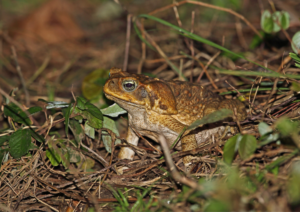
What Does a Cane Toad Look Like?
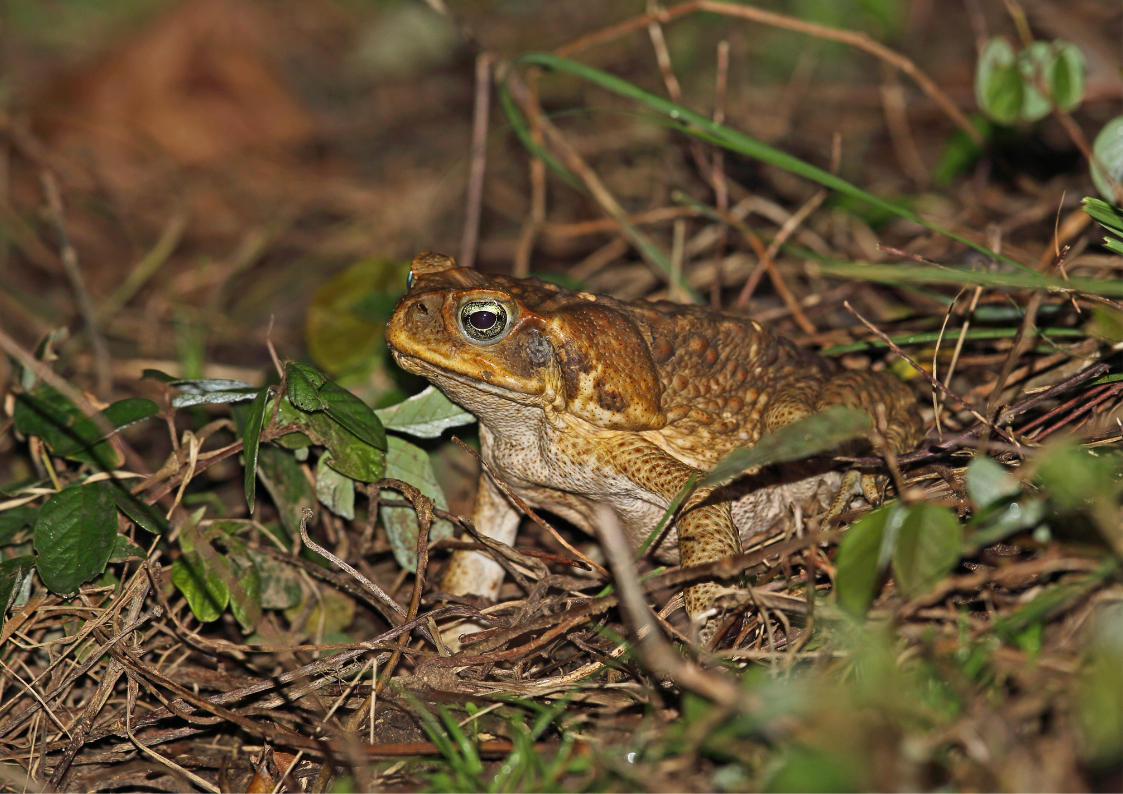
Cane toads are noticeably larger than many of the native frogs and toads found in Florida. They typically have a broad, heavy body with dry, bumpy skin.
Common features include:
- Large size, often several inches long
- Brown, tan, reddish, or grayish coloring
- A wide head
- Prominent ridges above the eyes
- Large glands behind the eyes on each side of the head
- No distinctive stripes running down the back
The large glands behind the eyes are particularly important because they produce a toxic substance that can be harmful to dogs.
Cane toads can be mistaken for native toads, so size and the large glands behind the eyes are useful characteristics to notice. If you’re unsure what you’ve encountered, avoid touching it and keep your dog away.
Why Are Cane Toads Dangerous to Dogs?
The main concern is the toxin released by the glands behind a cane toad’s eyes.
Dogs are often curious about moving animals and may try to sniff, lick, bite, or pick up a toad. When the toad is handled or mouthed, toxin can be released into the dog’s mouth.
The reaction can happen quickly. A dog may begin drooling heavily, pawing at the mouth, foaming, vomiting, or showing signs of distress.
More serious exposure can affect the nervous system and heart and may become life-threatening.
When Are Cane Toads Most Likely to Be Around?
Cane toads are generally more active during warm, humid weather. They may be particularly noticeable after rain and during the evening or nighttime.
They are attracted to areas where insects gather, including around outdoor lights. Water sources and damp areas can also attract them.
This means a dog that spends time in the yard after dark may have more opportunities to encounter one.
Keep Your Dog Away From Toads
The best protection is preventing your dog from interacting with a cane toad in the first place.
When your dog is outside, especially at night, keep an eye on what they are investigating. If your yard has areas where toads frequently appear, consider using a leash during nighttime bathroom breaks until you know the area is safe.
It also helps to reduce things that attract insects and to keep outdoor areas clean and well maintained.
Training Can Help Prevent an Encounter
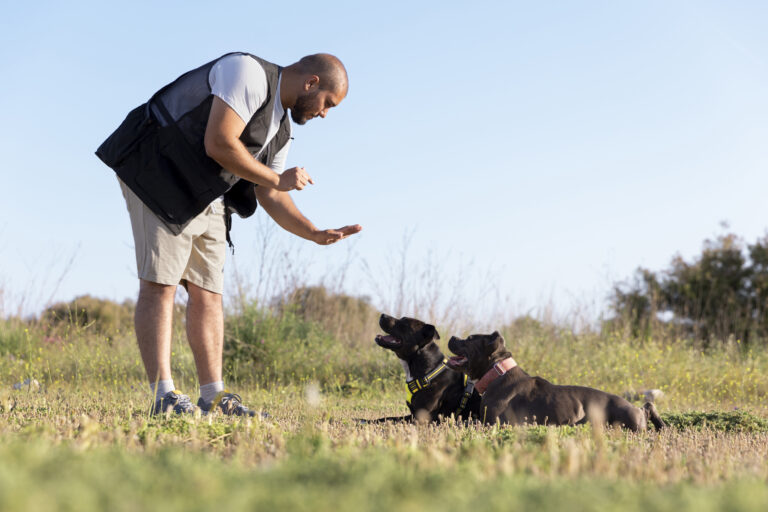
Good obedience training can give you more control when your dog notices something interesting outside.
A reliable recall, “leave it,” and the ability to focus on you can help interrupt your dog’s curiosity before they reach a toad.
Practice these behaviors regularly in different environments. A command that works perfectly inside the house may not be reliable when your dog is excited by something moving across the yard.
The goal is not simply teaching your dog a command. It’s building a response you can rely on when something unexpected appears.

What If Your Dog Bites or Mouths a Cane Toad?
If you believe your dog has mouthed or bitten a cane toad, treat it as an emergency.
Signs of exposure can include:
- Excessive drooling or foaming
- Pawing at the mouth
- Red or irritated gums
- Vomiting
- Shaking or tremors
- Weakness or loss of coordination
- Difficulty breathing
- Abnormal heart rhythm
- Seizures
The severity can vary depending on the amount of toxin absorbed and the size and health of the dog.
If exposure occurs, contact your veterinarian or an emergency veterinary clinic immediately for specific instructions. Don’t wait for symptoms to become severe.
If your veterinarian or local emergency veterinary service instructs you to rinse your dog’s mouth, follow their directions carefully. Avoid allowing the contaminated water to be swallowed, and keep the dog’s head positioned so the water can flow out of the mouth rather than toward the throat.

Don’t Handle the Toad With Your Bare Hands
If you find a cane toad in your yard, keep your dog away from it and avoid handling it unnecessarily.
Cane toads can also produce toxins that may irritate people if the material gets into the eyes, mouth, or broken skin. Children should also be taught not to touch unfamiliar toads or frogs.
If you need to have a cane toad removed, contact an appropriate local wildlife or animal control resource for guidance on safe and legal removal.
Check Your Yard Regularly
If your dog spends a lot of time outside, make a habit of checking the yard.
Pay particular attention after rain and during evening hours when cane toads may be more active. Look around outdoor lights, plants, water sources, and other areas where insects or moisture may attract them.
Keeping your dog supervised outside is one of the simplest ways to reduce the chance of an unwanted encounter.
Final Thoughts
Cane toads are something Southwest Florida dog owners should be aware of, especially during warm and rainy weather. Learning what they look like, understanding where they may appear, and teaching your dog reliable commands can all help reduce the risk.
You can’t control every animal your dog encounters, but you can control how prepared your dog is to respond.
Good dog training, supervision, and quick action when an encounter occurs can make a significant difference in keeping your dog safe.
Website Contact Form
"*" indicates required fields