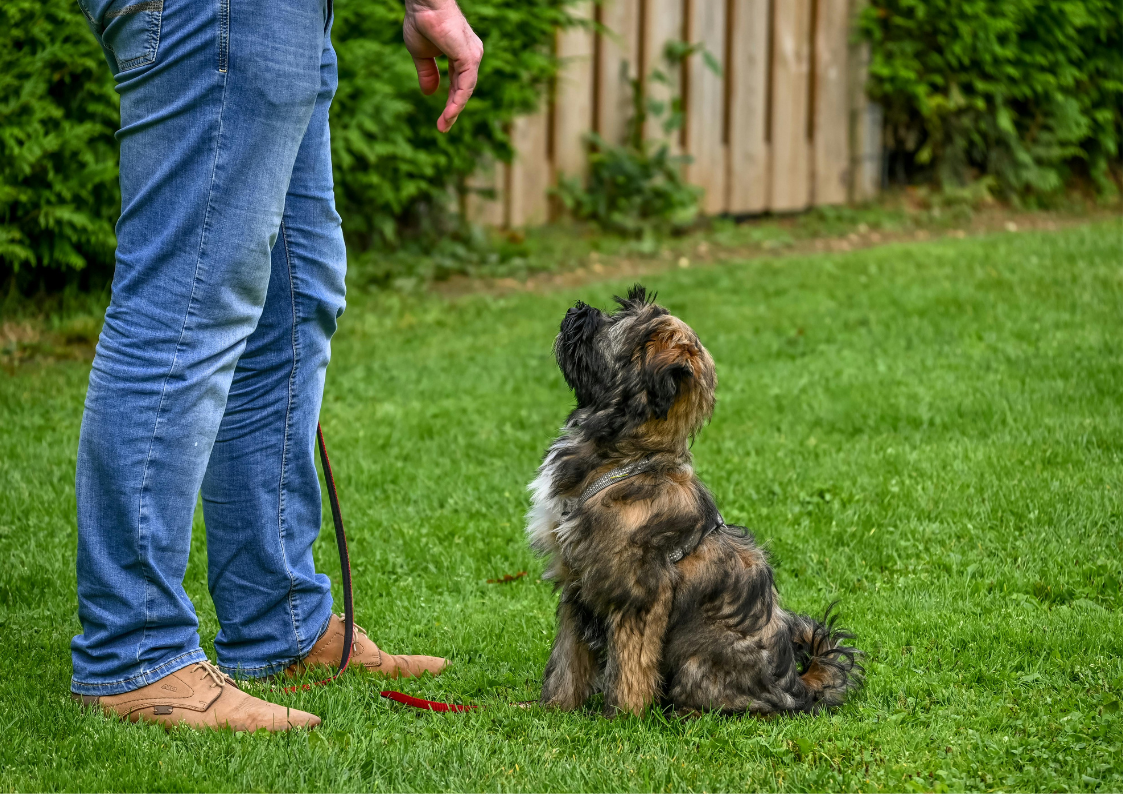
Proofing Commands: What Every Dog Owner Should Know
Teaching your dog a command is only the beginning. A dog may sit, stay, or come when called perfectly in a quiet room, but that does not always mean they will respond the same way at the park, around other dogs, or when something exciting catches their attention.
This is where proofing comes in. Proofing commands means practicing behaviors in different places, with different levels of distraction, so your dog learns that the command still applies even when the environment changes.
What Does Proofing Mean?
Proofing is the process of making a trained behavior more reliable by gradually changing the conditions around your dog.
For example, your dog may know “come” in the backyard. You might then practice it in the front yard, on a quiet walk, and eventually in a busier environment where there are people, sounds, and other dogs nearby.
The goal is not to make things difficult for your dog right away. It is to build reliability one step at a time.
Why Dogs Struggle in New Environments
Dogs do not automatically understand that a command they learned in one place applies everywhere.
A dog that has practiced “stay” in the living room may struggle when asked to stay while people walk past. A dog that comes running when called from across the backyard may hesitate when there is another dog nearby.
This isn’t necessarily stubbornness. The dog is dealing with a completely different level of distraction.
Proofing helps bridge that gap.
Start With the Basics
Before adding distractions, make sure your dog understands the behavior you are asking for.
If your dog is still confused about a command in a quiet environment, adding more distractions will only make the exercise harder.
Build a strong foundation first, then slowly increase the difficulty.
Change One Thing at a Time
When proofing a command, avoid changing everything at once.
You can increase the distance between you and your dog, extend the duration of the behavior, or introduce a new distraction.
For example, if your dog can stay for 10 seconds beside you, don’t immediately expect them to stay for a minute while another dog runs past. Increase the challenge gradually.
This gives your dog a realistic opportunity to succeed.
Practice in Different Places
Once a behavior is reliable at home, take it somewhere new.
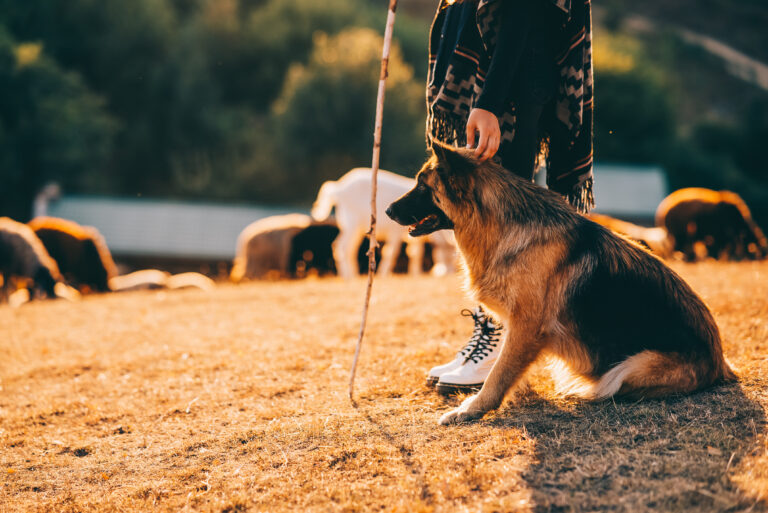
Try practicing in your driveway, on a quiet sidewalk, at a park during a calm period, or in another safe environment. Each new location gives your dog an opportunity to learn that the same expectations still apply.
Eventually, your dog should be able to respond without relying on the familiar surroundings where they first learned the command.
Add Distractions Gradually
Distractions can include people, dogs, wildlife, toys, food, traffic, sounds, or movement.
Start with mild distractions and work toward more challenging ones. If your dog completely loses focus, the exercise may have become too difficult too quickly.
Create enough distance from the distraction or return to an easier level until your dog can respond successfully again.
Don’t Repeat Commands Over and Over
Proofing is also a good opportunity to build better communication.
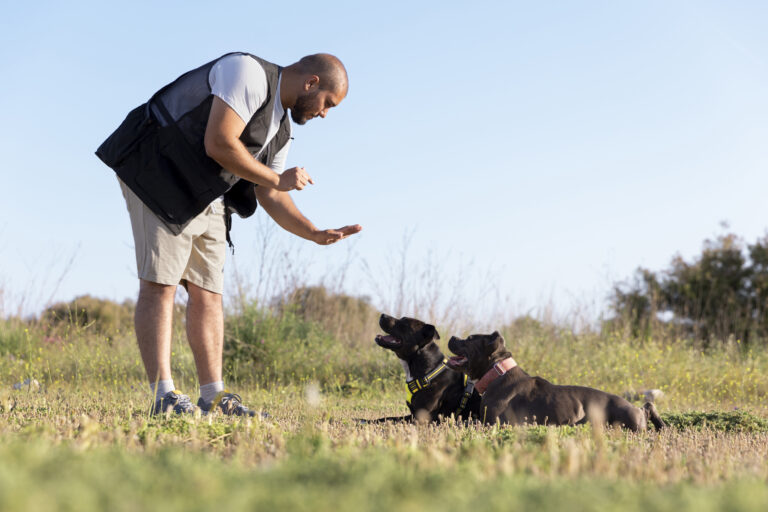
Give your dog a clear command and allow them a moment to respond. Repeating “come, come, come” or “sit, sit, sit” can teach a dog that the first command doesn’t really matter.
If your dog doesn’t respond, make the situation easier and help them succeed rather than simply repeating the command louder.
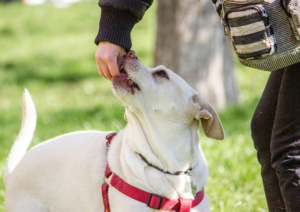
Reward Reliable Responses
When your dog responds correctly in a difficult situation, make that success worthwhile.
Depending on the dog and the situation, this could mean praise, a small food reward, a favorite toy, or a short game.
The reward doesn’t have to be the same every time. What matters is that your dog learns that choosing to listen to you has value, even when something else is competing for their attention.
Know When Your Dog Isn’t Ready for More Freedom
Proofing is especially important before giving a dog more freedom.
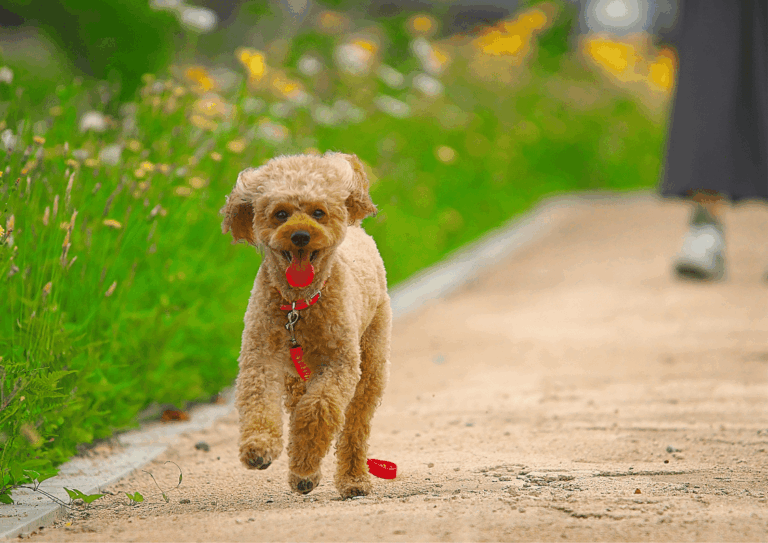
A dog that responds reliably at home may not yet be ready for off-leash freedom in an open area. Recall should be tested gradually and responsibly, while following local leash laws and using appropriate safety equipment when needed.
More freedom should come with more reliability, not simply because your dog knows the command.
Keep Practicing
Proofing isn’t something you finish after a few training sessions. Dogs encounter new environments and distractions throughout their lives.
Regular practice helps keep their skills dependable and prevents training from becoming something they only remember in controlled situations.
Even a few minutes of practice during a walk or around the house can help maintain those behaviors.
Final Thoughts
A command isn’t truly reliable just because your dog can perform it in a quiet room.
The real test is whether your dog can listen when the environment becomes more interesting, exciting, or challenging. Proofing helps build that reliability by gradually introducing new places, distractions, distances, and situations.
The more you practice with your dog in different environments, the better prepared they become to listen when it matters most.
Website Contact Form
"*" indicates required fields