
French Ring: What It Is and the Benefits of Training
French Ring is a working dog sport that combines obedience, jumping, and protection work. Developed in France, the sport is designed to test a dog’s training, athletic ability, confidence, control, and willingness to work with its handler.
While the protection exercises are one of the most recognizable parts of French Ring, the sport involves much more than protection. Dogs must learn to respond to their handlers, work through distractions, and perform different exercises with precision.
What Does French Ring Involve?
French Ring is divided into three main areas: obedience, jumps, and protection.
The obedience exercises test the dog’s ability to follow its handler’s direction. Depending on the exercise and level, this can include heeling, positions, recalls, remaining in place, and retrieving.
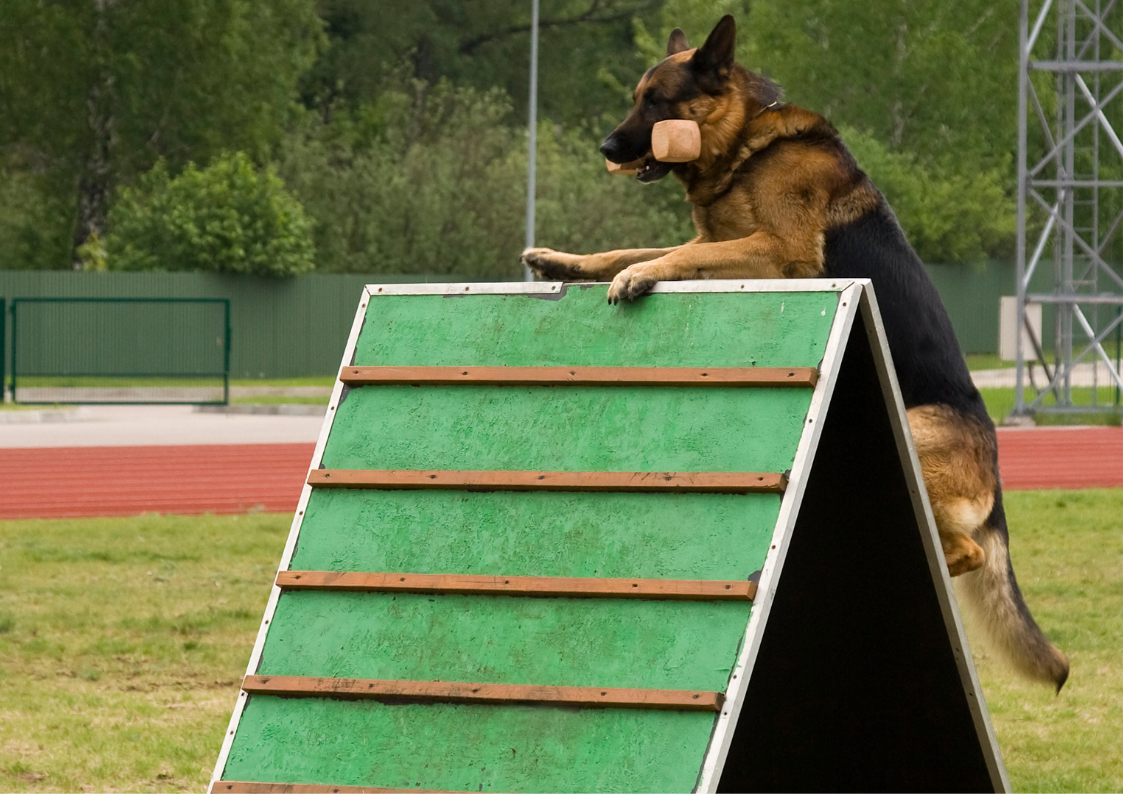
The jumping exercises test physical ability and confidence. Dogs may be required to perform obstacles such as the hurdle, palisade, and long jump.
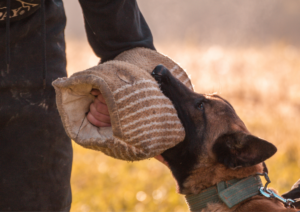
Protection exercises involve a trained decoy wearing specialized protective equipment. The dog is tested on specific exercises while remaining responsive to the handler’s direction.
Benefit: Builds Strong Obedience
One of the biggest benefits of French Ring training is the emphasis on obedience.
Dogs need to understand commands and respond to their handlers even when the environment is exciting or challenging. This can help develop more reliable communication between the dog and handler.
The obedience foundation is also essential before a dog can successfully progress through more advanced exercises.
Benefit: Improves Focus and Control
French Ring places dogs in situations where there are plenty of things competing for their attention.
Training helps the dog learn to stay focused on the task and remain responsive to the handler. This can strengthen impulse control and teach the dog to wait for direction instead of simply reacting to what is happening around them.
Benefit: Provides Physical Exercise
The jumping and movement involved in the sport provide a significant physical challenge.
Dogs work on coordination, body awareness, strength, and athletic ability. Proper conditioning is important, however, and training should take the dog’s age, physical condition, and individual abilities into account.
Benefit: Provides Mental Stimulation
French Ring isn’t just physically demanding. Dogs also have to think.
They learn different behaviors, respond to changing situations, and work through complex exercises. This type of structured mental work can provide an outlet for dogs that enjoy having a job to do.
Benefit: Strengthens the Dog and Handler Relationship
French Ring requires teamwork.
The handler must communicate clearly, recognize the dog’s behavior, and provide appropriate direction. The dog, in turn, learns to look to the handler for guidance.
Over time, this can create stronger communication and a deeper working relationship between the two.
Benefit: Builds Confidence
Working through new environments, obstacles, and controlled challenges can help suitable dogs become more confident in their abilities.
Confidence should be developed gradually. Dogs should be introduced to new challenges at an appropriate pace rather than being overwhelmed by situations they are not prepared to handle.
Benefit: Develops Controlled Protection Skills
Protection work is a specialized part of French Ring. Under experienced supervision, dogs learn to perform specific protection exercises while remaining under the handler’s control.
The emphasis is not simply on aggression. The dog must understand when to act and, equally importantly, when to stop and respond to the handler.
Because protection work carries inherent risks, it should only be taught by experienced professionals using properly trained decoys and appropriate safety procedures.
French Ring Is Not for Every Dog
French Ring is a demanding sport and isn’t appropriate for every dog or handler.
A dog’s temperament, physical condition, motivation, and ability to handle pressure should be considered before beginning this type of training. Proper instruction and a safe training environment are essential.
It should never be approached as casual bite training or attempted without qualified guidance.
French Ring vs. Mondioring
French Ring and Mondioring share several similarities because both combine obedience, jumping, and protection work. However, they are separate sports with their own histories, rules, exercises, and competition formats.
French Ring originated in France, while Mondioring was developed internationally from several working dog traditions.
Both require a high level of training, control, and teamwork.
Final Thoughts
French Ring offers a demanding and structured way for suitable dogs and handlers to work together. The sport challenges obedience, focus, physical ability, confidence, and controlled protection skills.
For the right dog and handler, the benefits go beyond competition. Training can provide meaningful mental and physical work while developing communication and teamwork.
At its core, French Ring isn’t just about what a dog can do. It’s about how well the dog and handler can work together under pressure.
Website Contact Form
"*" indicates required fields