
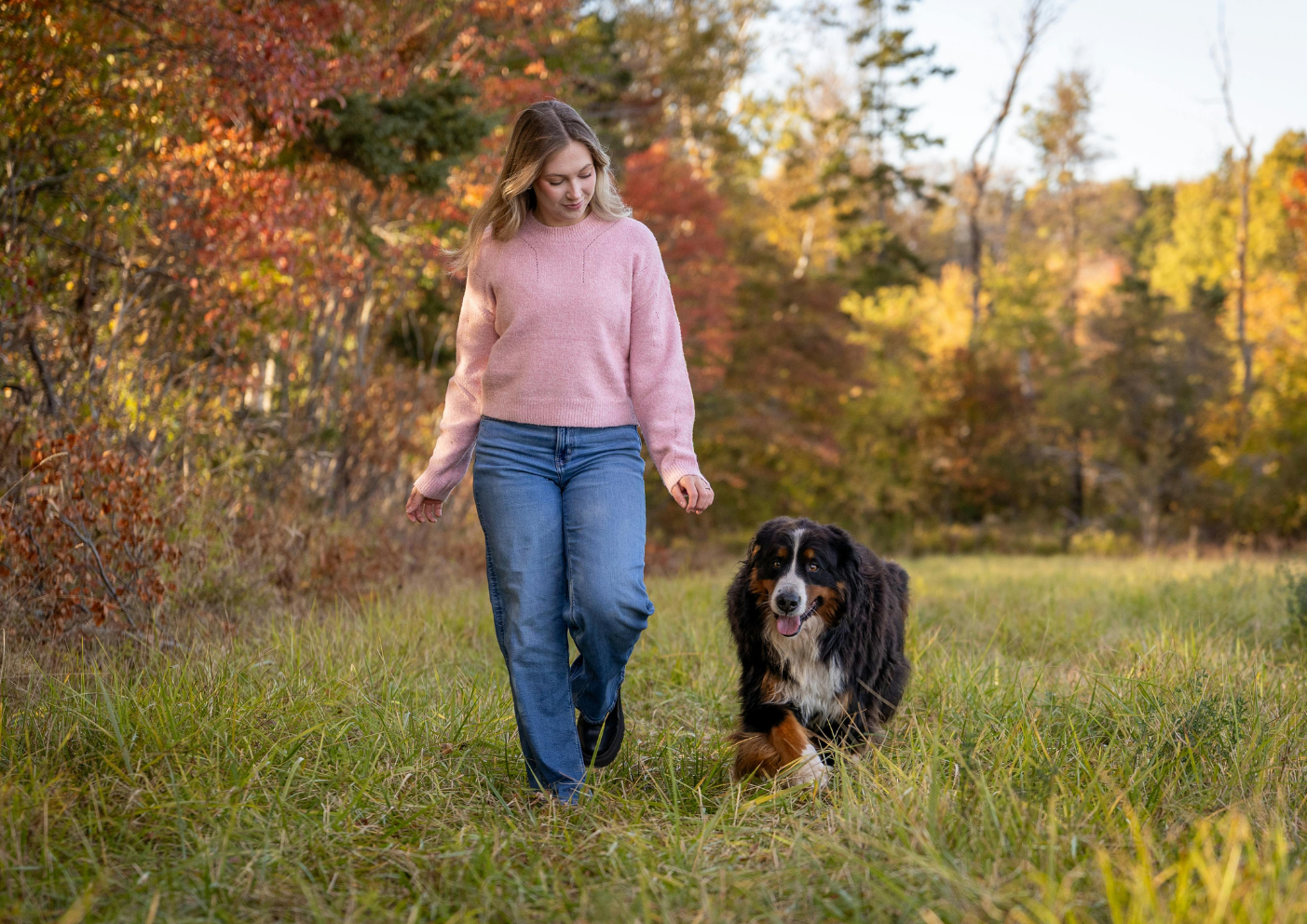
Why Skipping Walks Affects Your Dog’s Behavior
Missing a walk once in a while doesn’t seem like a big deal. Life gets busy, the weather changes, or you just don’t have the time. But for most dogs, walks are not just part of the routine—they’re a major part of how they stay balanced, both mentally and physically.
When walks start getting skipped often, you’ll usually notice changes in behavior. And most of the time, it’s not “bad behavior” at all. It’s your dog trying to cope with less structure, less stimulation, and less outlet for their energy.
Walks Give Dogs More Than Exercise
A walk is not just about tiring your dog out. It’s one of the few times they get to fully engage with the world outside the home.
Every walk gives them something important—new smells to process, movement to follow, and mental stimulation that they can’t really get indoors. Even a short walk helps break up their day and gives them something meaningful to focus on.
When that disappears, dogs don’t just become less active. They often become less balanced overall.
Extra Energy Has to Go Somewhere
One of the first things people notice when walks are skipped is an increase in energy at home.
Dogs may start pacing around more, jumping on people, or getting into things they normally ignore. It can look like sudden misbehavior, but in reality, it’s just energy that hasn’t been used in a healthy way.
Walks help regulate that energy in a controlled and predictable way. Without them, dogs often try to create their own outlets.
Boredom Leads to Unwanted Behaviors
Dogs rely heavily on mental stimulation. When they don’t get it, boredom sets in quickly.
A bored dog doesn’t always look “tired.” In fact, they often look restless or unsettled. This is when you might see chewing, licking, barking, or attention-seeking behavior that seems to come out of nowhere.
The walk itself is not just physical—it gives their brain something to do, and that matters just as much.
Training Starts to Slip Without Practice
Walks are also where a lot of real-world training happens. Leash manners, focus, and basic obedience are all reinforced outside the house.
When those walks stop happening regularly, those skills don’t get practiced. Over time, dogs may start pulling more, ignoring cues, or becoming less responsive in distracting environments.
It’s not that they “forgot” everything. It’s just that training, like anything else, gets weaker without repetition.
Excitement Builds Up Without Release
Dogs that miss walks for a few days often show a big spike in excitement when they finally go out again.
Instead of being calm, they may pull harder, rush out the door, or struggle to settle. That built-up anticipation and energy has been sitting there without release, and it all comes out at once.
This is why consistency matters so much. Regular walks help keep energy levels steady instead of building and crashing.
Routine Keeps Dogs Emotionally Balanced
Dogs rely on patterns. They don’t understand “busy days” or “skipping today.” They understand routine.
Walks often act as a daily anchor. When that anchor disappears, some dogs start to feel unsettled. You might notice more whining, clinginess, or general restlessness at home.
Even a short walk helps maintain that sense of structure and predictability they depend on.
Small Walks Are Better Than None
It’s important to be realistic—there will be days when a full walk isn’t possible. But even a short walk can make a difference.
A quick 10–15 minute outing, a slow walk around the block, or even structured time in the yard is still better than skipping it completely. What matters most is consistency over time, not perfection every single day.
Final Thoughts
Skipping walks affects more than just your dog’s physical exercise. It changes their energy, their focus, and even their emotional balance.
When walks become inconsistent, dogs often show it through behavior that looks like frustration or disobedience—but is really just unmet needs.
Keeping a steady routine, even in small ways, helps your dog stay calmer, more focused, and easier to live with.
Website Contact Form
"*" indicates required fields


